
Understanding Love Languages: How We Give and Receive Love Differently

Do you ever feel like your partner or friends don’t care, even when they say they do?
Have you noticed that different people show love in different ways, and some ways feel better or more meaningful than others? Gary Chapman, a Baptist pastor and marriage counselor, developed the concept of love languages to describe the patterns in how people express and receive love in romantic relationships, friendships, and other important connections. But have you ever wondered which love language fits you best?
Love languages describe the ways people feel most appreciated and valued. Understanding your own love language and recognizing the love languages of those around you can help improve communication, reduce misunderstandings, and deepen connection. Here’s a breakdown of each:
1. Words of Affirmation
People with this love language feel loved when others express appreciation or verbalize their feelings. Simple statements like “I appreciate you” or “I love you” can make a big impact.
2. Acts of Service
Actions speak louder than words. If this is your love language, you feel most cared for when someone helps you without being asked. This can look like cooking a meal, running an errand, or assisting with a project.
3. Quality Time
Being present and engaged matters most here. Quality time can mean going on a walk together, sharing a meal, or even studying side by side. The key is focused attention and meaningful interaction.
4. Receiving Gifts
Thoughtful gestures communicate love for people with this love language. Gifts don’t have to be expensive. It could be a favorite book, a small token, or a meaningful surprise. The thought behind the gift shows that someone is thinking of you.
5. Physical Touch
For some, physical connection is the most powerful way to feel loved. Hugs, hand-holding, cuddling, or other expressions of affection communicate care and reassurance.
How do I Identify my Love Language?
Ask yourself: What makes me feel most appreciated? How do I naturally show love to others? Reflecting on your feelings in past relationships, whether in romantic, familial, or friendships, can give you clues about your primary love language.
Putting Love Languages Into Practice
- Pay attention to how your partner, friends, or family members express love. Do their gestures match your love language?
- Try intentionally showing love in the way that resonates with them, even if it’s different from your own style.
- Notice how small changes like a kind word, helping hand, or shared activity impact your relationships.
Overall, understanding your love language and the love languages of those around you can improve connection, reduce misunderstandings, and help others feel seen and appreciated. Take a moment this week to reflect on your love language and try putting it into practice in one of your relationships. Small changes can make a huge difference!
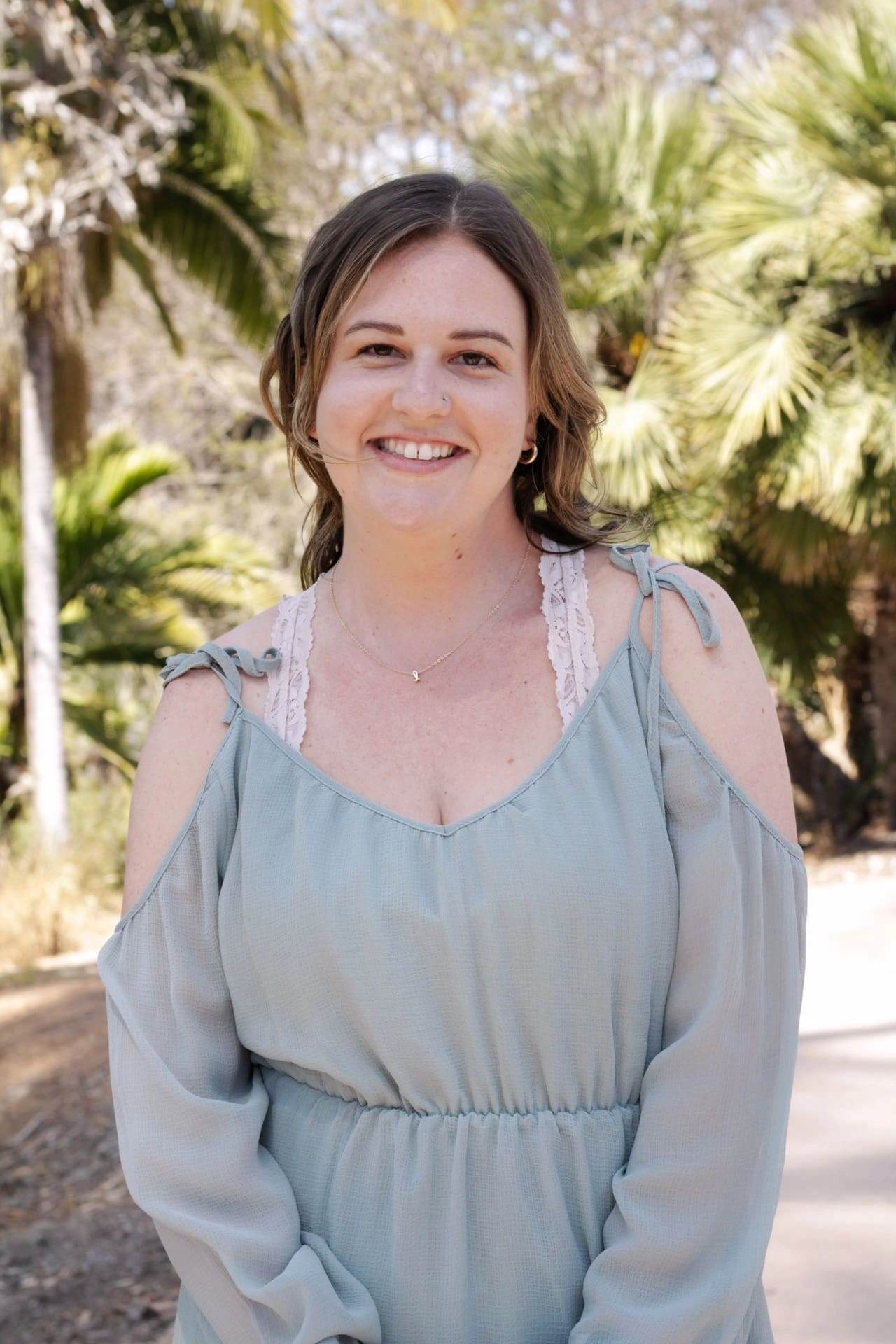
Laura Baker
Associate Marriage and Family Therapist
Laura specializes in supporting children, teens, and young adults navigate anxiety and sadness. She uses active strategies like CBT and IFS to help clients feel calmer and more connected.
Schedule a Consultation